The Story
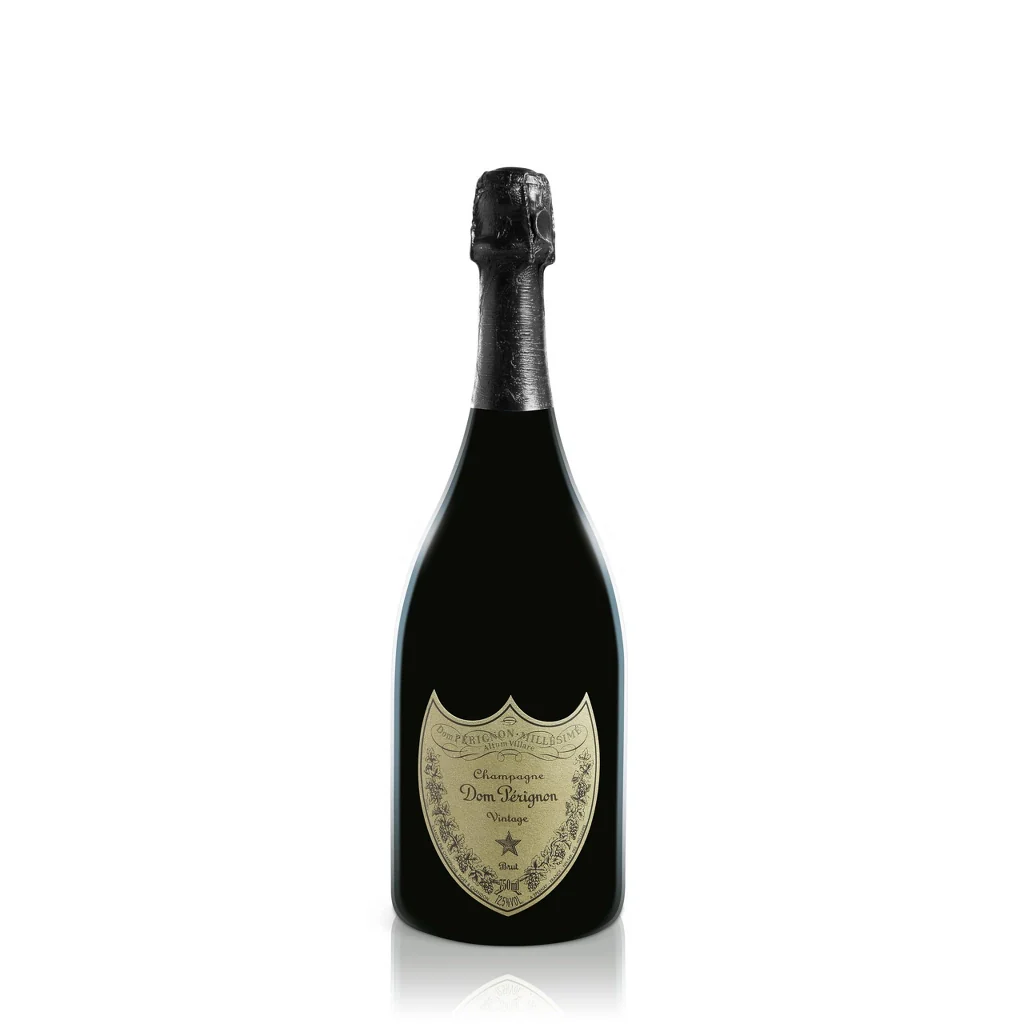
Dom Pérignon. Moët & Chandon — the world's most recognized prestige Champagne cuvée, produced exclusively in exceptional vintages and named for Dom Pérignon, the 17th-century Benedictine cellar master at the Abbey of Hautvillers who is credited with codifying many of the techniques that define Champagne production.
Dom Pérignon is Moët & Chandon's prestige cuvée — released only in years where the estate's vineyards produce grapes of sufficient quality to meet the standard. Unlike non-vintage Champagne produced every year, Dom Pérignon documents exceptional individual harvest years, making each release a specific vintage expression that reflects the conditions of that growing season in the Champagne region.
The blend draws on grand cru Pinot Noir and Chardonnay from Moët's extensive vineyard holdings across the most prestigious Champagne appellations — Épernay, Aÿ, Cramant, and others — aged a minimum of 7 years on lees before release.
Tasting Notes
- Nose: Ripe fruit, smoke, toastiness, tar, brioche, citrus
- Palate: Rich, generous, balanced sweetness and acidity, fine bubbles
- Finish: Long, complex, expanding over time
Specs
- House: Moët & Chandon (LVMH), Épernay, Champagne, France
- Style: Vintage Brut Champagne — Pinot Noir and Chardonnay
- Release: Vintage-only — exceptional years only
- Aging: Minimum 7 years on lees
- Size: 750ml
Browse all rare and luxury spirits at Wooden Cork.
Frequently Asked Questions
- Was Dom Pérignon a real person? Yes — Pierre Pérignon (1638–1715) was a Benedictine monk and cellar master at the Abbey of Hautvillers in Champagne. He is credited with developing techniques including blending grapes from multiple vineyards, using cork rather than wood stoppers, and improving bottle strength — foundational contributions to Champagne production.
- Why is Dom Pérignon only produced in certain years? It is a vintage-only Champagne — released only in years where the growing conditions meet the estate's quality threshold. In years that don't meet the standard, no Dom Pérignon is produced. This vintage selectivity is what distinguishes prestige cuvées from non-vintage blends.
Description
Dom Pérignon. Moët & Chandon — the world's most recognized prestige Champagne cuvée, produced exclusively in exceptional vintages and named for Dom Pérignon, the 17th-century Benedictine cellar master at the Abbey of Hautvillers who is credited with codifying many of the techniques that define Champagne production.
Dom Pérignon is Moët & Chandon's prestige cuvée — released only in years where the estate's vineyards produce grapes of sufficient quality to meet the standard. Unlike non-vintage Champagne produced every year, Dom Pérignon documents exceptional individual harvest years, making each release a specific vintage expression that reflects the conditions of that growing season in the Champagne region.
The blend draws on grand cru Pinot Noir and Chardonnay from Moët's extensive vineyard holdings across the most prestigious Champagne appellations — Épernay, Aÿ, Cramant, and others — aged a minimum of 7 years on lees before release.
Tasting Notes
- Nose: Ripe fruit, smoke, toastiness, tar, brioche, citrus
- Palate: Rich, generous, balanced sweetness and acidity, fine bubbles
- Finish: Long, complex, expanding over time
Specs
- House: Moët & Chandon (LVMH), Épernay, Champagne, France
- Style: Vintage Brut Champagne — Pinot Noir and Chardonnay
- Release: Vintage-only — exceptional years only
- Aging: Minimum 7 years on lees
- Size: 750ml
Browse all rare and luxury spirits at Wooden Cork.
Frequently Asked Questions
- Was Dom Pérignon a real person? Yes — Pierre Pérignon (1638–1715) was a Benedictine monk and cellar master at the Abbey of Hautvillers in Champagne. He is credited with developing techniques including blending grapes from multiple vineyards, using cork rather than wood stoppers, and improving bottle strength — foundational contributions to Champagne production.
- Why is Dom Pérignon only produced in certain years? It is a vintage-only Champagne — released only in years where the growing conditions meet the estate's quality threshold. In years that don't meet the standard, no Dom Pérignon is produced. This vintage selectivity is what distinguishes prestige cuvées from non-vintage blends.