Original: $549.99
-65%$549.99
$192.50The Story
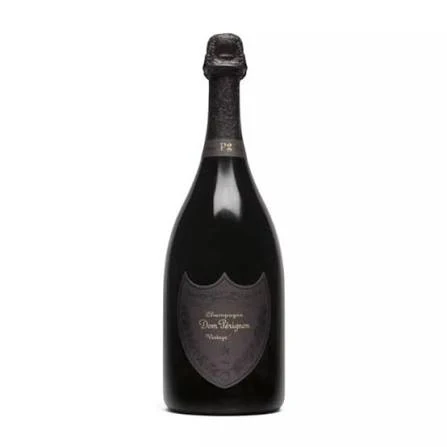
The second plénitude — a later release of a Dom Pérignon vintage after additional years of aging beyond the initial release. Where the first plénitude captures Dom Pérignon's characteristic freshness and fruit, P2 reveals a deeper, richer, more complex dimension that only extended aging on the lees produces.
Dom Pérignon's plénitude philosophy holds that each vintage achieves its greatest expression not once but at multiple points of peak maturity. The first release (P1) captures the wine at its initial peak — typically 8–10 years after harvest. The P2 is the same vintage released after an additional 8–10 years of further aging on the lees, unlocking a dimension of complexity that the wine was moving toward but hadn't yet fully revealed at P1.
The extended lees aging in P2 produces a transformation: the wine's acidity has softened, the fruit has concentrated and dried, the mousse has become more integrated and creamy, and the autolytic complexity of bread, toasted brioche, and hazelnut has deepened considerably. P2 Dom Pérignon is one of the most compelling arguments for extended Champagne aging — a direct demonstration of what time does to the same wine.
Tasting Notes
- Appearance: Golden with a fine, persistent mousse.
- Nose: Toasted brioche, hazelnut, dried fruit, and a deep mineral character — the complexity of extended lees aging fully expressed.
- Palate: Creamy and concentrated — the fruit has evolved from fresh to dried, the acidity integrated, and the autolytic notes dominant. Profound.
- Finish: Long and evolving — the hallmark of a great Champagne at peak second maturity.
Specs
- House: Dom Pérignon, Moët & Chandon, Champagne, France
- Style: Vintage Brut Champagne, Second Plénitude
- Size: 750ml
Browse all premium wines and Champagne at Wooden Cork.
Frequently Asked Questions
- What is a plénitude? Dom Pérignon's plénitude concept holds that each vintage achieves multiple points of peak maturity — not one plateau but a series of revelations. P1 is the first release; P2 the second after additional aging; P3 a third release after even more time. Each plénitude reveals a different dimension of the same wine.
- How does P2 differ from P1 (the standard Dom Pérignon)? P1 captures freshness, fruit vibrancy, and the initial expression of the vintage. P2 has had an additional decade of aging — the fruit has deepened and dried, the autolytic complexity (bread, brioche, hazelnut) has intensified, and the wine shows a concentration and depth unavailable at P1.
- Is P2 better than P1? Not better — different. P1 and P2 are expressions of the same wine at different stages of evolution. Some prefer P1's freshness and vitality; others prefer P2's depth and complexity. Both are expressions of the same vintage at its respective peak.
- What vintage is this P2? The specific vintage varies; P2 is the second plénitude release of that vintage after extended aging. The release date and vintage year are documented on the bottle.
Description
The second plénitude — a later release of a Dom Pérignon vintage after additional years of aging beyond the initial release. Where the first plénitude captures Dom Pérignon's characteristic freshness and fruit, P2 reveals a deeper, richer, more complex dimension that only extended aging on the lees produces.
Dom Pérignon's plénitude philosophy holds that each vintage achieves its greatest expression not once but at multiple points of peak maturity. The first release (P1) captures the wine at its initial peak — typically 8–10 years after harvest. The P2 is the same vintage released after an additional 8–10 years of further aging on the lees, unlocking a dimension of complexity that the wine was moving toward but hadn't yet fully revealed at P1.
The extended lees aging in P2 produces a transformation: the wine's acidity has softened, the fruit has concentrated and dried, the mousse has become more integrated and creamy, and the autolytic complexity of bread, toasted brioche, and hazelnut has deepened considerably. P2 Dom Pérignon is one of the most compelling arguments for extended Champagne aging — a direct demonstration of what time does to the same wine.
Tasting Notes
- Appearance: Golden with a fine, persistent mousse.
- Nose: Toasted brioche, hazelnut, dried fruit, and a deep mineral character — the complexity of extended lees aging fully expressed.
- Palate: Creamy and concentrated — the fruit has evolved from fresh to dried, the acidity integrated, and the autolytic notes dominant. Profound.
- Finish: Long and evolving — the hallmark of a great Champagne at peak second maturity.
Specs
- House: Dom Pérignon, Moët & Chandon, Champagne, France
- Style: Vintage Brut Champagne, Second Plénitude
- Size: 750ml
Browse all premium wines and Champagne at Wooden Cork.
Frequently Asked Questions
- What is a plénitude? Dom Pérignon's plénitude concept holds that each vintage achieves multiple points of peak maturity — not one plateau but a series of revelations. P1 is the first release; P2 the second after additional aging; P3 a third release after even more time. Each plénitude reveals a different dimension of the same wine.
- How does P2 differ from P1 (the standard Dom Pérignon)? P1 captures freshness, fruit vibrancy, and the initial expression of the vintage. P2 has had an additional decade of aging — the fruit has deepened and dried, the autolytic complexity (bread, brioche, hazelnut) has intensified, and the wine shows a concentration and depth unavailable at P1.
- Is P2 better than P1? Not better — different. P1 and P2 are expressions of the same wine at different stages of evolution. Some prefer P1's freshness and vitality; others prefer P2's depth and complexity. Both are expressions of the same vintage at its respective peak.
- What vintage is this P2? The specific vintage varies; P2 is the second plénitude release of that vintage after extended aging. The release date and vintage year are documented on the bottle.