
The Story
Papalote Agave. Guerrero. Clase Azul — the Guerrero expression in Clase Azul's regional mezcal series, produced from the rare Papalote agave (Agave cupreata) grown in the mountains of Guerrero state, one of Mexico's most distinct and geographically isolated mezcal-producing regions.
Papalote agave is endemic to the Guerrero and Michoacán mountains and is harvested wild — it cannot be cultivated at scale and each plant takes 12–15 years to mature. The Guerrero region's mezcal tradition is among the least commercialized in Mexico, with production remaining largely family-operated using traditional clay or wood-fired methods. The resulting mezcal is markedly different from Oaxacan Espadín — fruit-forward, complex, and with less pyrolytic smoke.
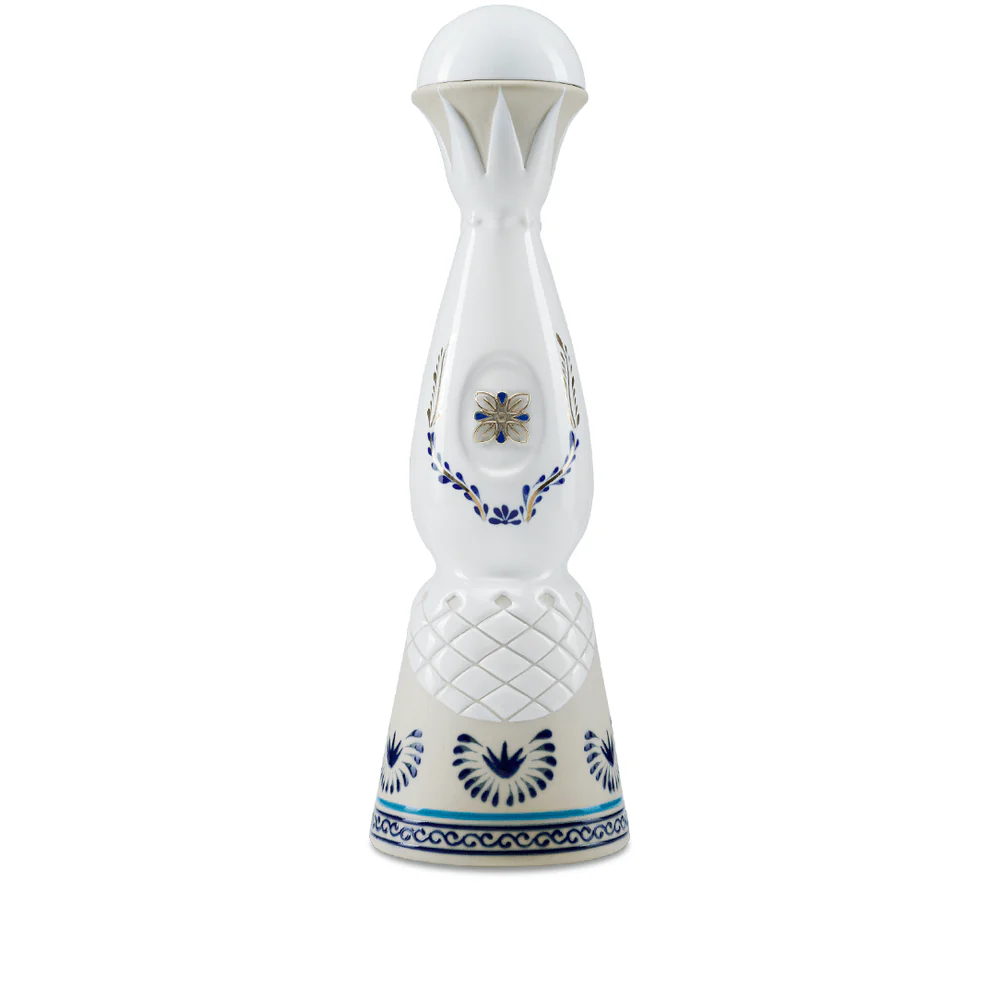
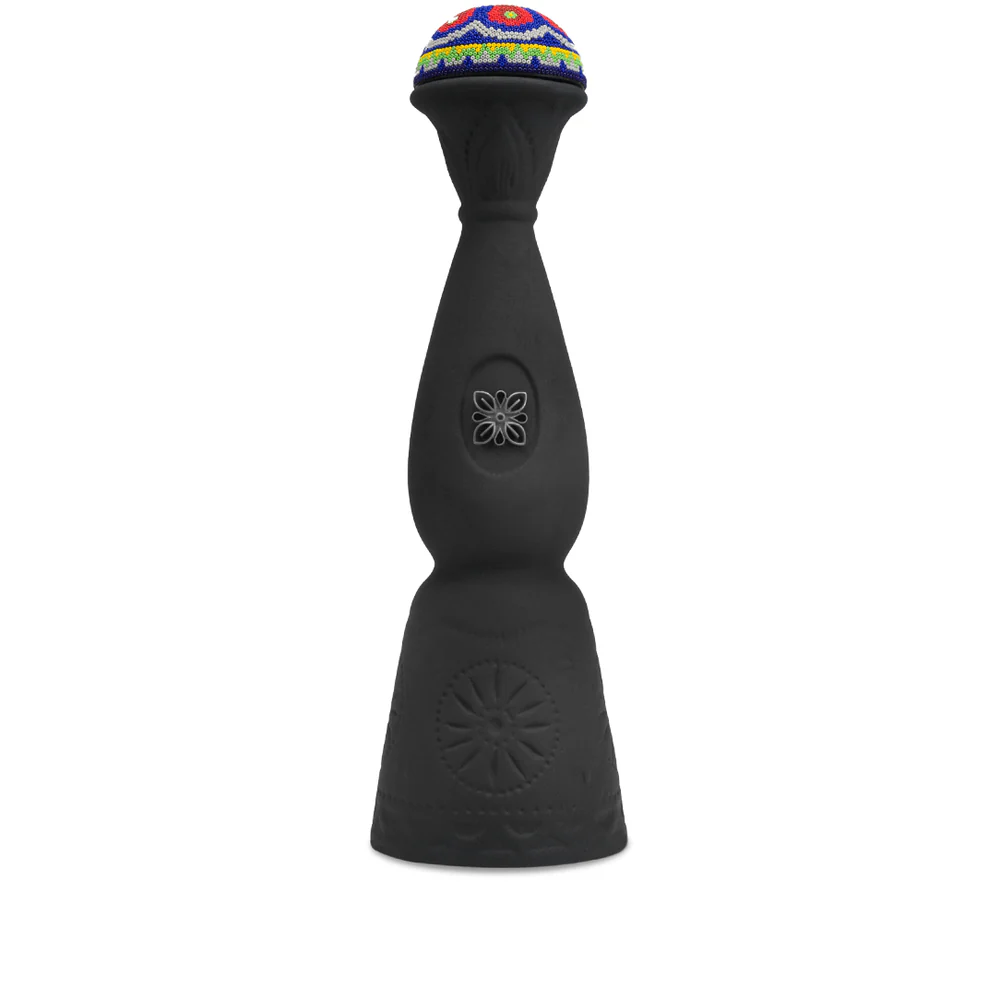
Like the Durango expression, the Guerrero is presented in Clase Azul's signature hand-painted artisan ceramic decanter, individually painted by artisans in Santa María Canchesda.
Specs
- Producer: Clase Azul
- Agave: Papalote (Agave cupreata), Guerrero mountains
- Style: Mezcal, traditional production
- Presentation: Hand-painted artisan ceramic decanter
- Size: 750ml
Explore the full Clase Azul collection at Wooden Cork or browse our mezcal selection.
Frequently Asked Questions
- What is Papalote agave? Agave cupreata, endemic to the Guerrero and Michoacán mountains. It can't be cultivated at scale and takes 12–15 years to mature — wild-harvested only. Produces fruit-forward mezcal distinct from Oaxacan Espadín.
- How does Guerrero compare to the Durango Clase Azul mezcal? Both are regional Clase Azul mezcals from different agave species and states. Durango uses Cenizo from highland desert; Guerrero uses Papalote from tropical mountain terrain. Different agave, different region, distinctly different flavor profiles.
Description
Papalote Agave. Guerrero. Clase Azul — the Guerrero expression in Clase Azul's regional mezcal series, produced from the rare Papalote agave (Agave cupreata) grown in the mountains of Guerrero state, one of Mexico's most distinct and geographically isolated mezcal-producing regions.
Papalote agave is endemic to the Guerrero and Michoacán mountains and is harvested wild — it cannot be cultivated at scale and each plant takes 12–15 years to mature. The Guerrero region's mezcal tradition is among the least commercialized in Mexico, with production remaining largely family-operated using traditional clay or wood-fired methods. The resulting mezcal is markedly different from Oaxacan Espadín — fruit-forward, complex, and with less pyrolytic smoke.
Like the Durango expression, the Guerrero is presented in Clase Azul's signature hand-painted artisan ceramic decanter, individually painted by artisans in Santa María Canchesda.
Specs
- Producer: Clase Azul
- Agave: Papalote (Agave cupreata), Guerrero mountains
- Style: Mezcal, traditional production
- Presentation: Hand-painted artisan ceramic decanter
- Size: 750ml
Explore the full Clase Azul collection at Wooden Cork or browse our mezcal selection.
Frequently Asked Questions
- What is Papalote agave? Agave cupreata, endemic to the Guerrero and Michoacán mountains. It can't be cultivated at scale and takes 12–15 years to mature — wild-harvested only. Produces fruit-forward mezcal distinct from Oaxacan Espadín.
- How does Guerrero compare to the Durango Clase Azul mezcal? Both are regional Clase Azul mezcals from different agave species and states. Durango uses Cenizo from highland desert; Guerrero uses Papalote from tropical mountain terrain. Different agave, different region, distinctly different flavor profiles.